Words Matter
Choose Them Carefully — They Speak to Your Character

By Peter Landry
It’s often said that actions speak louder than words. But I’m here today to say that words are just as important as actions — and maybe more.
Actions speak of power and influence. Words speak of character.
In a fractious time, that is more important than ever.
What you say, and how you say it, reveals what kind of person you are, how you view the world, how you act when nobody’s watching. It reveals “what you are made of,” as my father liked to say.
I’ve spent my entire adult life working with words and to me they are a precious commodity.
Then can elevate or degrade, inspire or distort, build up or tear down. They can make or break communities or even whole nations. Their misuse puts everyone at peril.
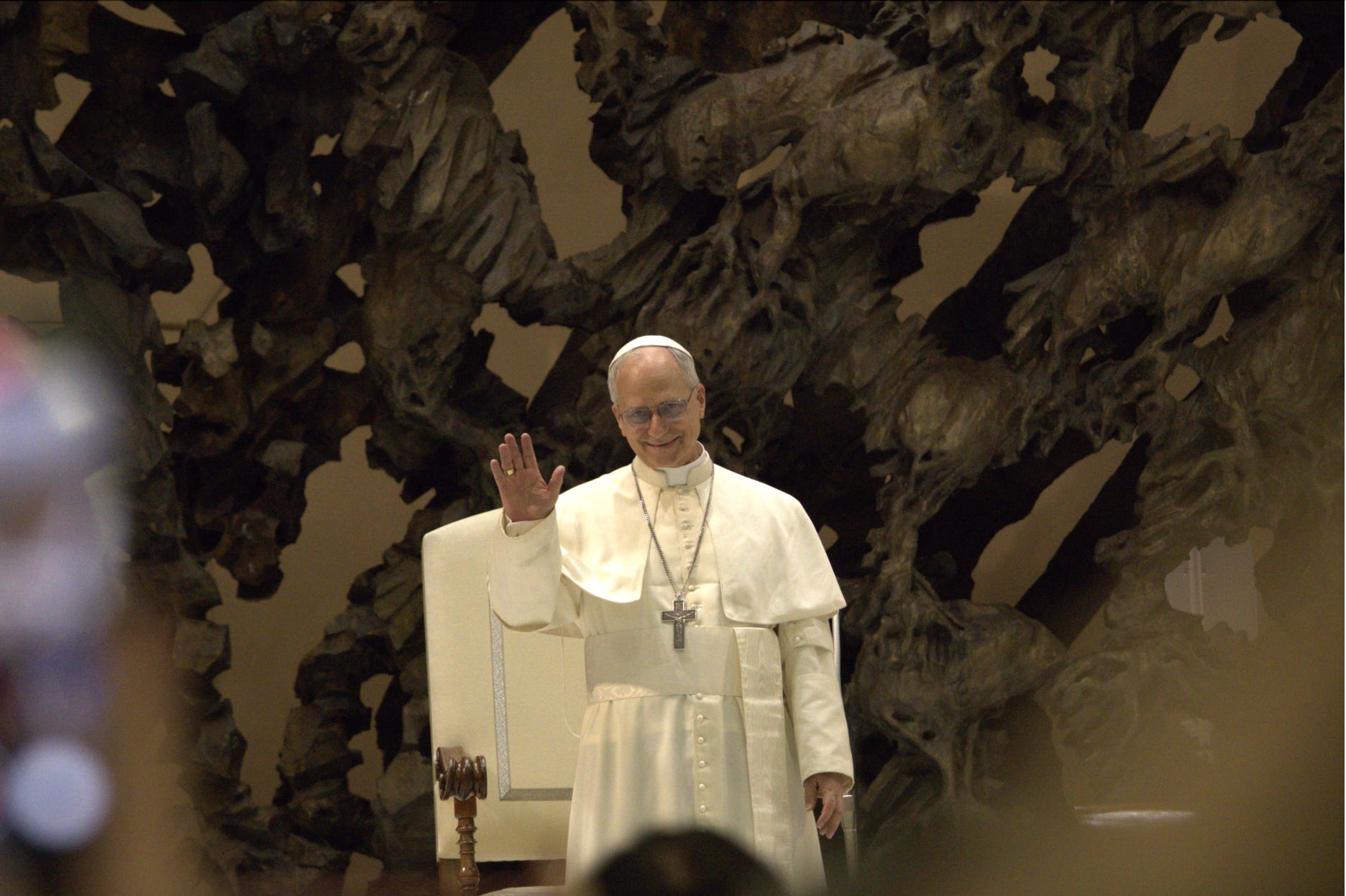
I’ve been thinking a lot about words this week after Pope Leo XIV released a message for Lent urging people to “disarm … our language” by “avoiding harsh words and rash judgment, refraining from slander and speaking ill of those who are not present and cannot defend themselves.”
He was appealing, as Abraham Lincoln famously did, “to the better angels of our nature.”
But in his first Lenten message, I think he was doing more.
He was reminding us how much words matter. How much character matters. How words and character together matter enormously.
They certainly did for Jesus, when he taught “blessed are the poor in spirit … the meek … the merciful … the pure in heart,” according to the Bible.
They did for Martin Luther King when he told the nation “I have a dream,” and for Jesse Jackson when he urged America to “Keep hope alive!”
They did for Woody Guthrie and Pete Seeger when they sang “This Land Is Your Land” or asked “Where Have All the Flowers Gone?”
They did for Merle Haggard when he said he was “proud to be an Okie from Muskogee,” for Lee Greenwood when he sang “God Bless the USA” and for Toby Keith when he advised “Don’t Let the Old Man In.”
And let us not forget Bob Dylan and Bruce Springsteen, whose words have expressed character all their lives, from those famous early questions “Blowing in the Wind” to the “Streets of Minneapolis” today.
My new fave Jesse Welles is carrying on that tradition, as he warns against those who would “Join ICE” or target “Venezuela” or “The Poor.”
As anyone knows who has read this column, I choose to celebrate words that appeal to our “better angels.”
As did the poet Archibald MacLeish once upon a time..
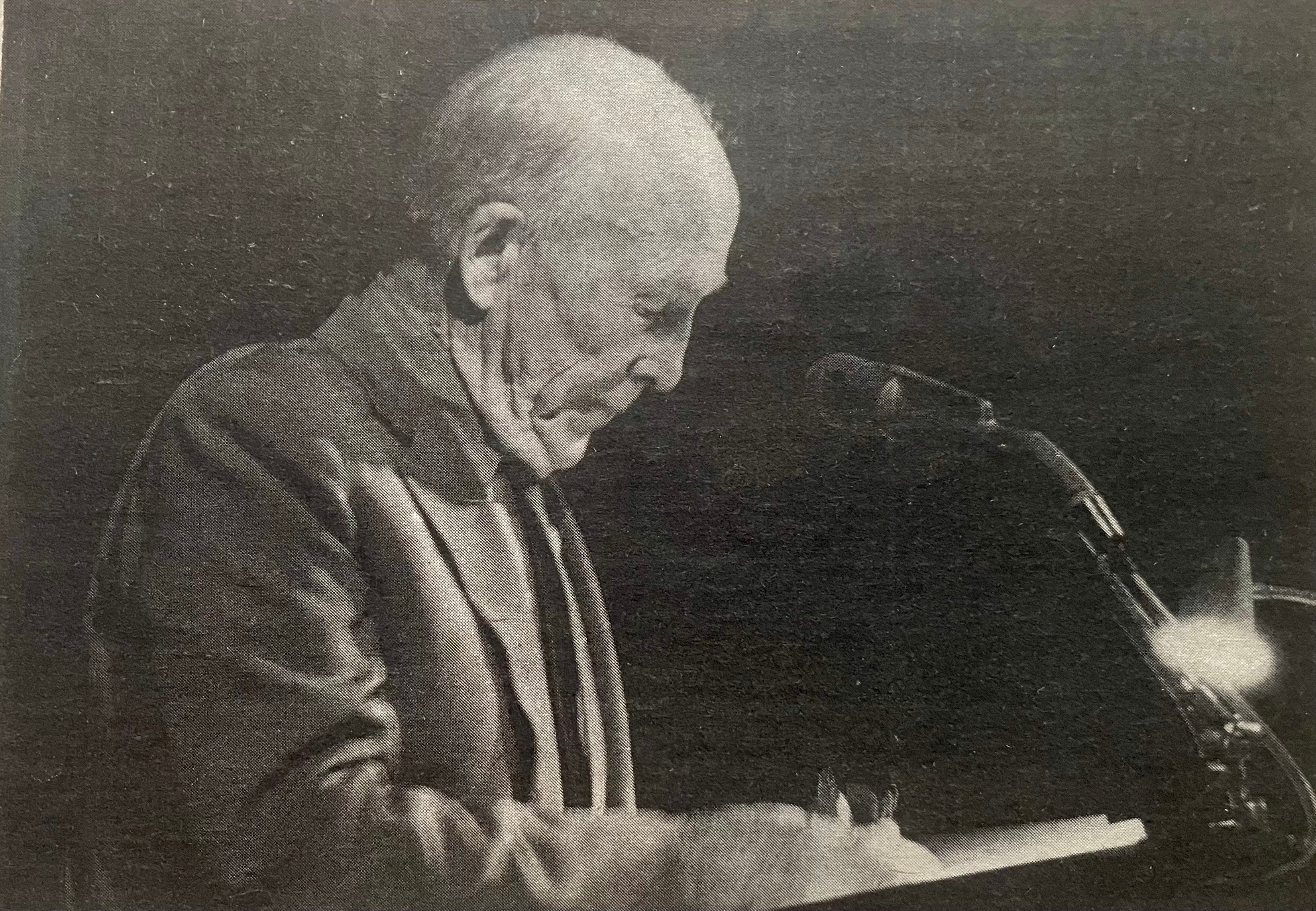
Years ago, during the nation’s Bicentennial, I was privileged to hear the old poet speak at the Bread Loaf Writers Conference in Vermont. He was 84 by then and had lived a long and culturally influential life. For his Bicentennial speech he chose to celebrate “the central passion of my life, save one ... the relationship of a man to a republic.” He did so by reading poems he had written in each of the decades of his career.
One stood out to me then, and still stands out to me all these years later. It’s called “Brave New World” and was written during the frenzy of McCarthyism in the 1950s, when government — then as now — was being mobilized to search for “enemies of the state.”
It could have been written yesterday for what its words said about character.
In his poem, MacLeish declared:
But you, Thomas Jefferson,
You could not lie so still,
You could not bear the weight of stone
On the quiet hill,
You could not keep your green grown peace
Nor hold your folded hand
If you could see your new world now,
Your new sweet land. …
There was a time when tyrants feared
The new world of the free
Now freedom is afraid and shrieks
At tyranny. …
Your countrymen who could have hurled
Their freedom like a brand
Have cupped to a candle spark
In a frightened hand. …
During the 40 days of Lent, Christians abstain from pleasures or luxuries to commemorate the 40 days of abstinence Jesus spent in the wilderness to prepare for his ministry.
In his Lenten message, Pope Leo put a topical spin on what today’s abstinence should include.
“I would like to invite you to a very practical and frequently unappreciated form of abstinence: that of refraining from words that offend and hurt our neighbor.,” he said. “… Let us strive to measure our words and cultivate kindness and respect in our families, among our friends, at work, on social media, in political debates, in the media and in Christian communities. In this way, words of hatred will give way to words of hope and peace.”
I’m not a religious person, but Pope Leo’s words struck a great chord when he said them.
Words and character matter.
They shape our lives. They have impact. And most of all, they have longevity. What you say, and how you say it, will outlive you.
So in this tumultuous time, look within yourself. Look to your neighbor. Look to those who lead us.
Summon “the better angels of our nature.”
Dare to heed them.
I think Pope Leo would approve.
TOP PHOTO: Pope Leo XIV is asking the world to “disarm … our language.” (Vatican Media photo by Edgar Beltrán.) BOTTOM PHOTOS: Poet Archibald MacLeish evoked Thomas Jefferson when he spoke at the Bread Loaf Writers Conference during the Bicentennial.